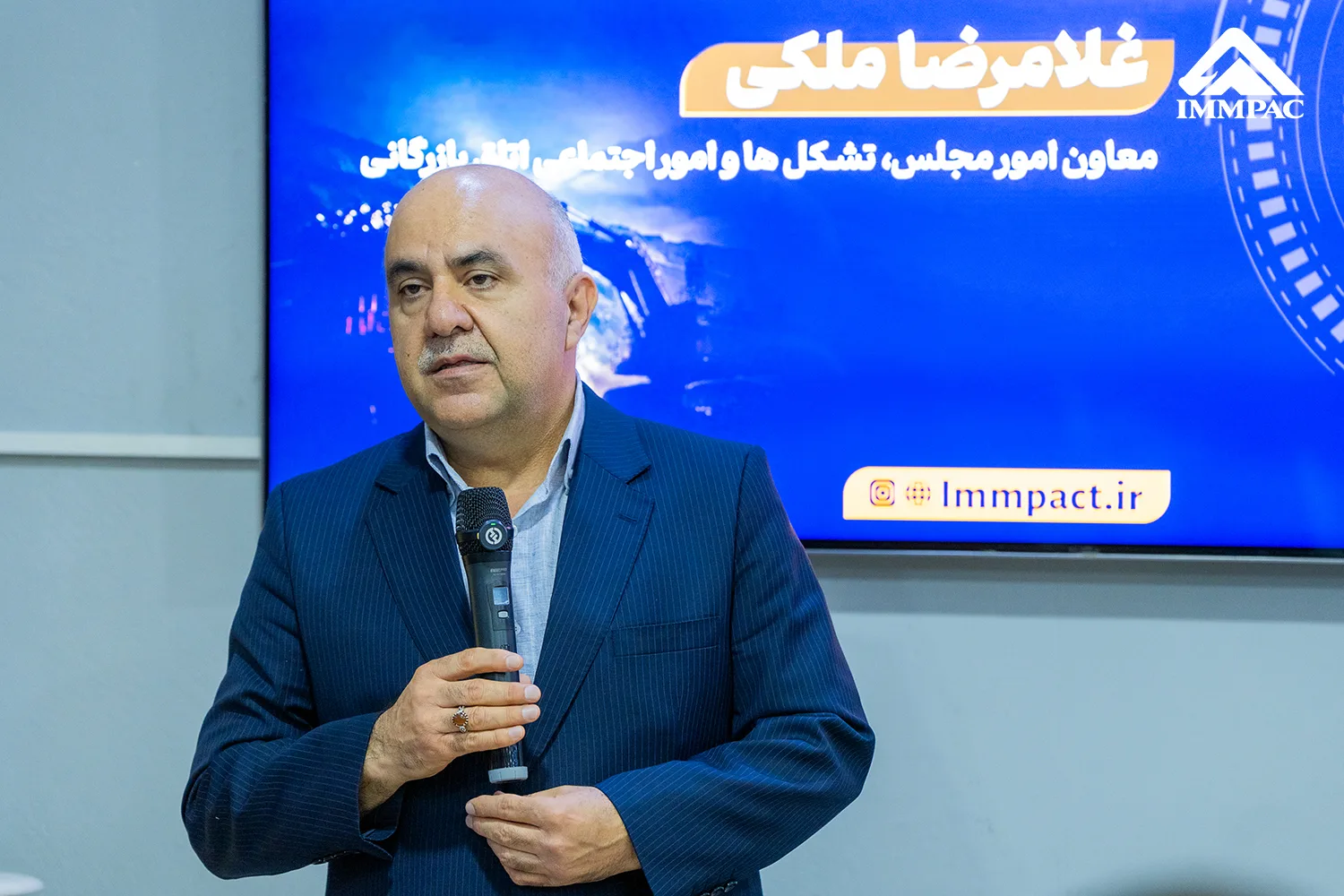
According to IMMPAC's public relations office, Gholamreza Maleki told the association's launch ceremony that its establishment could create new capacity to resolve problems in Iran's mining and industrial supply chains.
The Tehran Chamber's deputy for parliamentary affairs, associations and social affairs said the initiative began with a specific problem. Manufacturers of passenger and light-vehicle filters, referring to the law on maximizing the use of domestic production and services, had argued that filters ranging from light- and heavy-vehicle products to high-technology products could be made in Iran.
Following difficulties at the Ministry of Industry, Mine and Trade, the involvement of the head of Iran Mine House and the ministry helped resolve the issue despite considerable obstacles, he said.
Discussions with other businesses facing similar cases at the ministry then led to the proposal for an association to follow up such matters collectively.
Maleki said this was the Tehran Chamber's fortieth association. Having specialist associations and providing the infrastructure and facilities for their work is a source of pride for the chamber.
The Tehran Chamber had recently received an A+ rating from the Iran Chamber, he added, with specialist associations and commissions contributing significantly to that achievement.
He said the chamber's leadership supports associations through initiatives including a House of Associations, think tanks and assistance in defining their direction, and intended to continue that support.
The association's board began work in a short period that coincided with wartime conditions in Iran. Despite those circumstances, its members made progress and formed a capable team, he said.
Maleki said the chamber was ready to support the association through the Government–Private Sector Dialogue Council, specialist commissions and contacts established with parliament to help address business problems.
He also welcomed the association's work under Iran Mine House, noting constructive links between its board, the government, the ministry and the mining sector.
He identified the Mining Law as an important opportunity to pursue industry concerns. Work on reform, led by Iran Mine House, was being followed up in parliament's Industries and Mines Commission. Association members should examine provisions affecting the supply chain and opportunities to add measures addressing existing monopolies.
Maleki said the association could use the capabilities of the chamber and Iran Mine House to help resolve businesses' problems and strengthen the supply of mining and industrial parts and machinery.